

Referred to as a “super” El Niño or a “Godzilla” El Niño, the Pacific Ocean’s warming event disrupting global weather patterns has made a forceful return, coinciding with intense heatwaves in various regions already plagued by high temperatures.
July marked the hottest month ever recorded in North America and Europe, leading to numerous heat-related fatalities, dried-up water bodies, and extensive fire damage. Canada alone has witnessed over 4.1 million hectares of forest consumed by flames, resulting in thick smoke enveloping large swathes of the eastern parts of the country and parts of the northern U.S.
Although the scorching summer coincided with the onset of an El Niño, climate scientists clarify that this phenomenon is not directly responsible for the severe weather events. Nevertheless, they caution that the interplay between El Niño and human-induced climate change might exacerbate the already intense extreme weather conditions.
-
El Niño is here, and it’s already looking like it could be ‘mind-blowing’
-
Sunken Nazi warships are resurfacing as Europe’s drought deepens
“El Niño’s impacts are going to be large and broad across a huge area,” stated Josh Willis, a climate scientist at NASA’s Jet Propulsion Laboratory.
“Get ready, because it’s going to be a wild ride.”
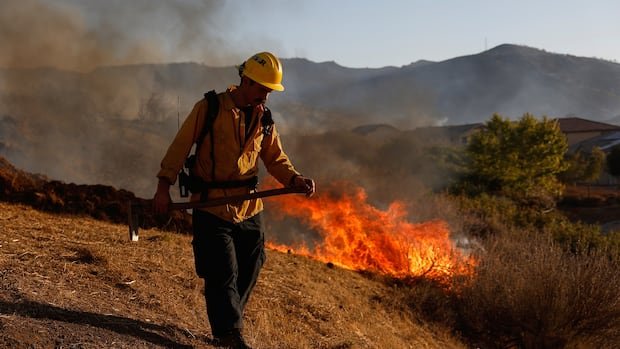
The UN’s weather agency is warning that the return of El Niño will make temperatures even higher this summer, which they also warn will exacerbate climate disasters, including drought and wildfires.
Altering Weather Patterns
Naturally occurring every three to seven years, El Niños typically commence in spring and persist into the following year, characterized by a rise in sea surface temperatures in the Pacific equatorial region by at least 0.5°C above the average.
According to Willis, this warming process heats the air above the water, leading to an “atmospheric rearrangement.”
“It flips the weather upside down,” he explained,