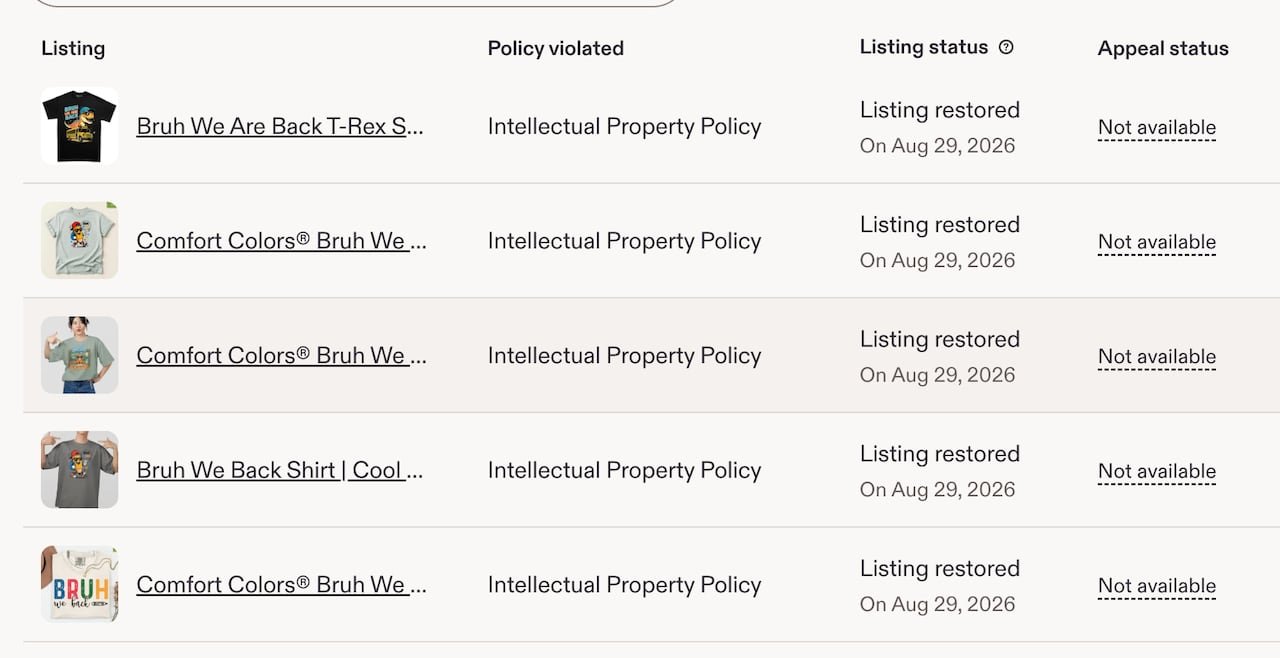

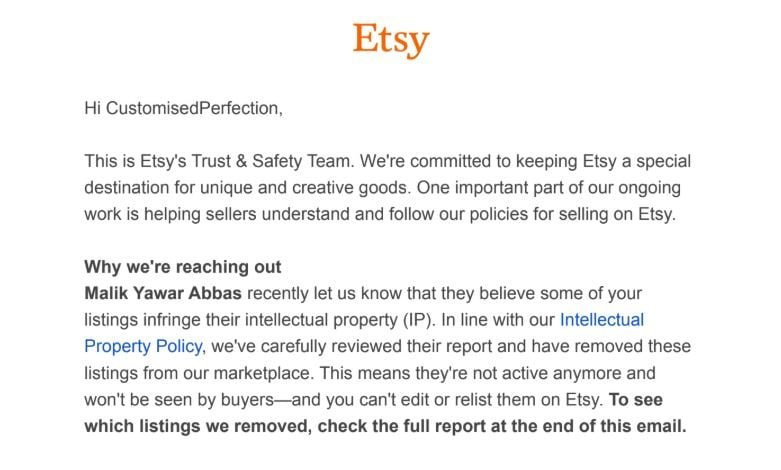
Upon receiving an email notification from e-commerce platform Etsy, Sam Joseph Karam was puzzled to discover that 11 of his T-shirt designs featuring the term “bruh” had been removed due to a trademark violation. Karam, the owner of Customized Designs, an apparel company based in the United States and an Etsy seller, expressed surprise at the unusual number of listings taken down simultaneously.
According to Karam, Etsy not only removed his T-shirt designs but also revoked his Star Seller badge, leading to a noticeable decline in sales. The email from Etsy cited a complaint by Malik Yawar Abbas, a Canadian trademark holder for the term “bruh,” as the reason behind the removal of Karam’s designs.
Several Etsy sellers, including Karam, reported having their listings removed after trademark holder Abbas raised concerns. Correspondence reviewed by CBC News revealed that multiple sellers received takedown notifications following complaints by Abbas.
Karam accused Abbas of “trademark squatting,” alleging that the trademark holder aims to profit by licensing the term rather than utilizing it for product creation. Legal experts suggest the need for platforms and the legal system to address the misuse of trademarks in such instances.
Trademark Details and Controversy
The trademark for “bruh” was granted by the Canadian Intellectual Property Office (CIPO) in July 2025 for various clothing items. Additionally, Abbas recently obtained a trademark for the same term to promote restaurant services.
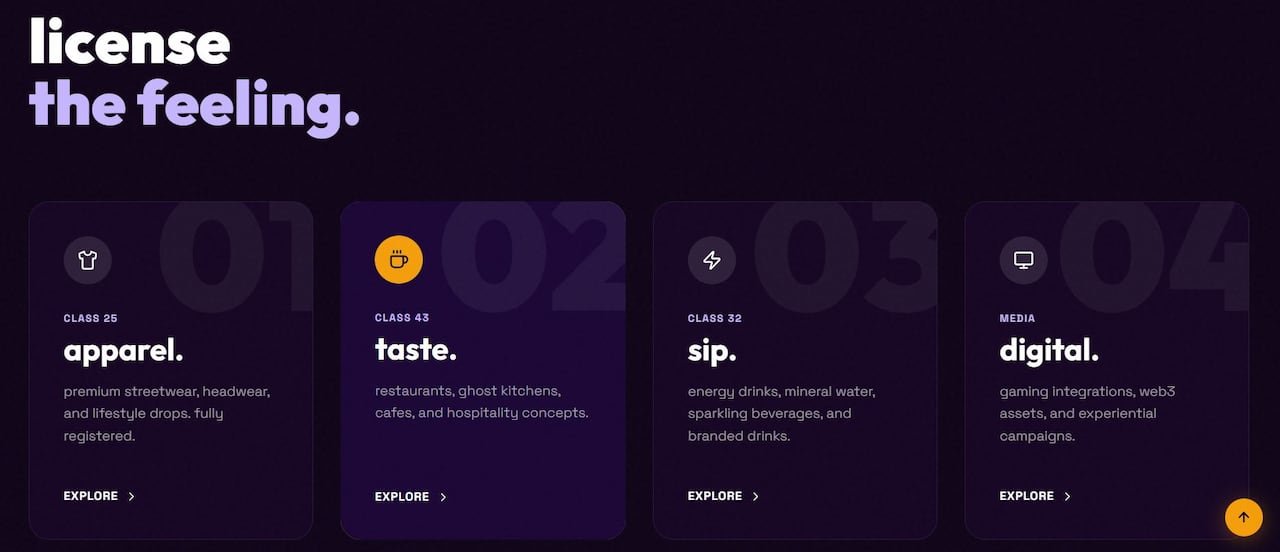
CIPO refrained from commenting on the specifics of the “bruh” trademark but emphasized the individual assessment of each trademark application. Following the removal of his listings, Karam visited the trademark holder’s website, where he found information on licensing the term “bruh” for commercial purposes.
The website, focusing on licensing options rather than product sales, showcases mock-ups of clothing and energy drinks featuring the term “bruh.” Abbas clarified that these images demonstrate potential commercial uses of the brand.
Upon contacting Abbas regarding the Etsy takedowns, Karam was asked to agree to specific terms and a $1,000 payment for the withdrawal of the complaint. Karam declined, attributing the situation to what he perceives as “trademark squatting.”
Abbas clarified that the $1,000 was part of a proposed settlement and not a finalized monetary agreement. He defended the legitimacy of his trademark registration and licensing intentions, denying any squatting allegation.
Subsequently, Abbas retracted the complaint to Etsy after the design removal, indicating that the affected products were no longer available to Canadian consumers. However, Karam expressed dissatisfaction, considering legal action to challenge the trademark on grounds of bad faith.