

The existence of any wild northern spotted owls in British Columbia remains uncertain. The most recent sighting was in 2023, marking a significant decline in their population over the years.
Janice Kuester, Chief of Spuzzum First Nation, expressed deep sorrow over the loss, highlighting the cultural significance of these owls as knowledge keepers and ancestors for their community.
Since 2022, the nation has collaborated with the province to support owl conservation and recovery efforts.
The species’ habitat spans from the Lower Mainland into Washington state, Oregon, and northern California. While the U.S. still has a considerable owl population, the Canadian population is nearly extinct.
Joe Foy, a member of the Wilderness Committee, stated that wild spotted owls in old growth forests are almost gone, marking a critical point in their survival.
Despite this bleak situation, there is still optimism for the species’ recovery.
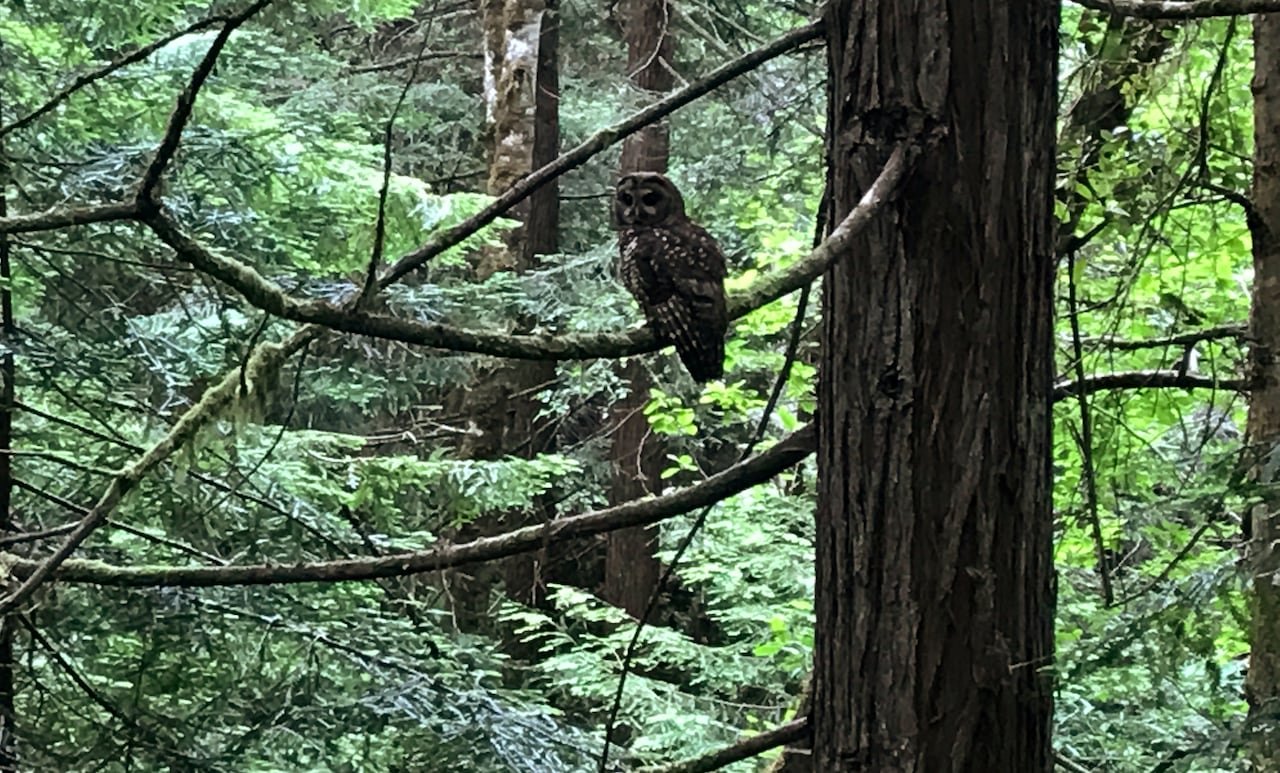
Biologist Jared Hobbs believes reintroducing the species in B.C. is feasible if conservation efforts are ramped up to protect their habitat and support breeding pairs.
As long as suitable habitat and breeding pairs are available, there is hope for the species’ survival.
-
Spuzzum First Nation ‘furious’ after federal government decides against order to protect endangered owls
-
Minister broke law over emergency order for spotted owl: judge
An attempt to issue an emergency order for the owls in 2023 was unsuccessful after the federal cabinet rejected a recommendation from then-environment minister Steven Guilbeault. The government emphasized collaboration with B.C. and Indigenous communities to address the issue.
The federal recovery strategy aims to restore a stable population of 250 spotted owls by identifying logging and species competition as key threats to the species.
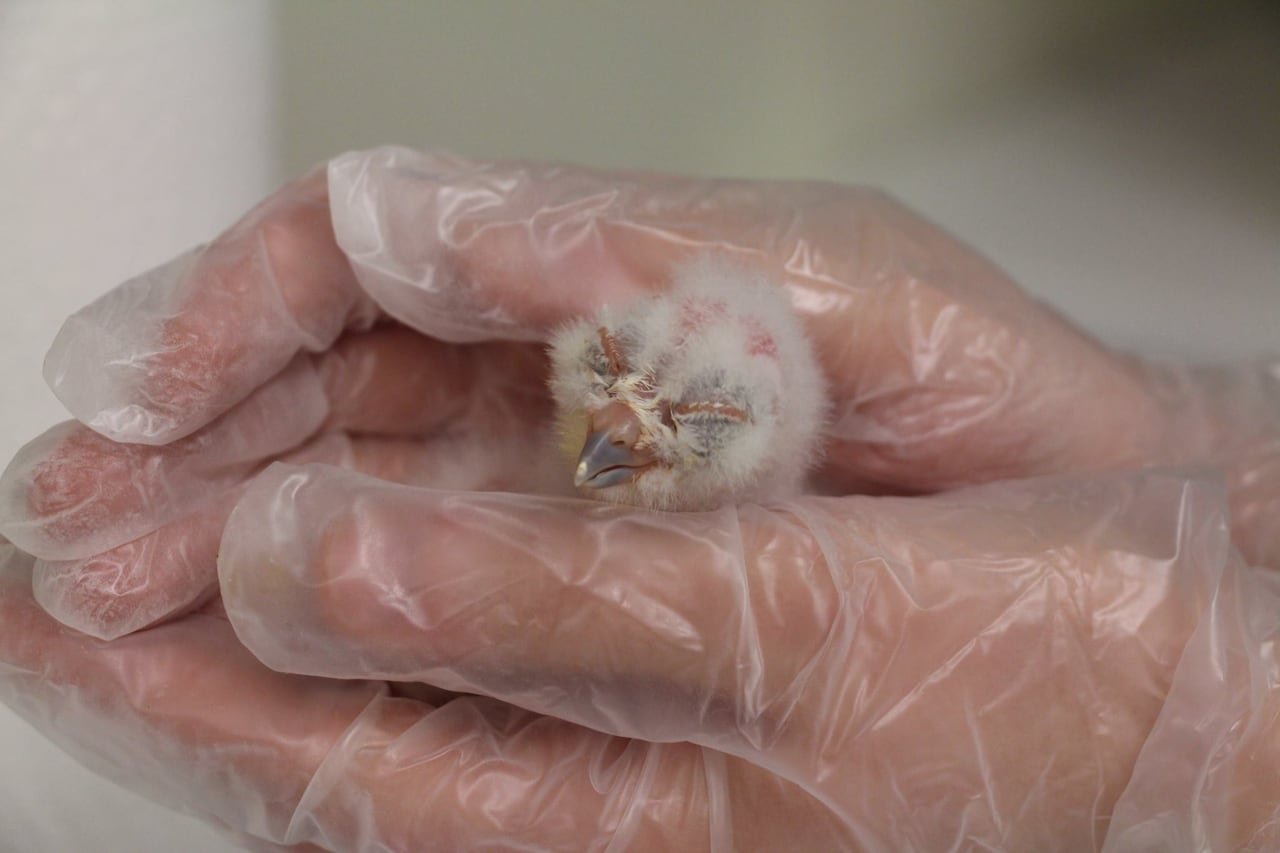
Part of the recovery plan involves releasing captive-bred spotted owls back into their natural habitat. The Northern Spotted Owl Breeding Program in B.C. is actively working on breeding and releasing more owls.
Science writer Nicola Jones collaborated with the breeding facility in Langley to share the species’ recovery journey in