

Even when a species is deemed endangered in Canada, it can face lengthy delays in receiving protection decisions from the government while its habitat undergoes changes necessary for its survival.
According to a recent study, out of 288 species assessed as at risk since 2017, only 17 have made it to the federal cabinet body, the Governor in Council, within the recommended timeframe. Over half of the species, totaling 153, were overdue for listing decisions as of January 25, 2025.
Among these species are caribou, beluga whales, and lake sturgeon, which have been identified as endangered or threatened while awaiting crucial listing decisions that could trigger habitat protections and recovery plans.
The study highlights a bottleneck in the Species at Risk Act (SARA) where there is a lack of a statutory deadline for a significant stage of the process, leading to potential delays in conservation actions.
The study does not pinpoint the exact reasons for these delays, but critics suggest that the absence of a deadline allows governments to postpone difficult decisions regarding conservation versus economic considerations.
Peter Thompson, the lead author of the study and a postdoctoral researcher at Simon Fraser University, noted that the government consistently fails to meet its self-imposed timelines of one to two years for these assessments.
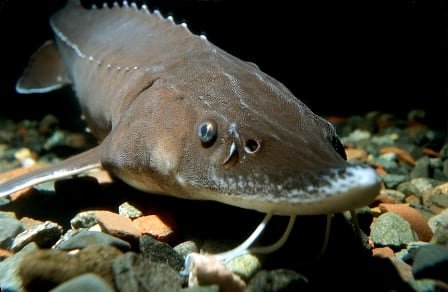
A lake sturgeon rests along the riverbed. The Saskatchewan-Nelson River population was assessed as endangered in 2017 and has spent years awaiting a federal listing decision. (Eric Engbretson Underwater Photography/WWF-Canada)
An example is the Saskatchewan-Nelson River population of lake sturgeon, an ancient fish species facing endangerment due to drastic population declines since the 1960s. Despite being deemed endangered in 2017, delays in moving the assessment forward have left the species still awaiting a decision five years later.
The study emphasizes the importance of timely listing decisions as habitat alterations, such as dams and hydro projects, can severely impact species like the lake sturgeon by disrupting their natural movement patterns.
The process outlined in SARA mandates specific actions post-assessment, including the identification and protection of critical habitats to ensure the survival of endangered species like aquatic organisms, which face threats across Canadian waters.

Drew Yewchuk, a lawyer and doctoral researcher at UBC’s Peter A. Allard School of Law, says a gap in the Species at Risk Act can allow governments to postpone difficult decisions about protecting species. (Submitted by Drew Yewchuk)
Habitat protection, as stipulated in SARA, serves as a crucial tool for species conservation, as emphasized by legal and research expert Drew Yewchuk. Ensuring habitat preservation is vital for the overall well-being and survival of species dependent on specific environments.
The study also sheds light on the disproportionate impact of delays on aquatic species, with marine mammals and fish facing significant delays in the listing process as of January 2025, raising concerns about their long-term conservation.