

During a UN summit focusing on the preservation of global biodiversity, a team of scientists is advocating for the safeguarding of an often overlooked realm of species – fungi.
Fungi on Earth outweigh all the world’s animals combined, with an estimated 5 million species, ranging from edible mushrooms to tiny organisms crucial for ecosystems.
Chilean mycologist Giuliana Furci emphasized the vital role of fungi, stating that without them, the world as we know it would not exist.
Despite their significance, fungi have historically been excluded from conservation efforts aimed at protecting plants and animals, a gap that Furci sought to address by establishing the Fungi Foundation in 2012.
In recent years, additional organizations like Canada-based Mycosphaera have emerged, collectively forming the Global Fungal Conservation Network. This coalition unveiled the Global Strategy for Fungal Conservation at the COP17 UN biodiversity conference in Yerevan, Armenia.
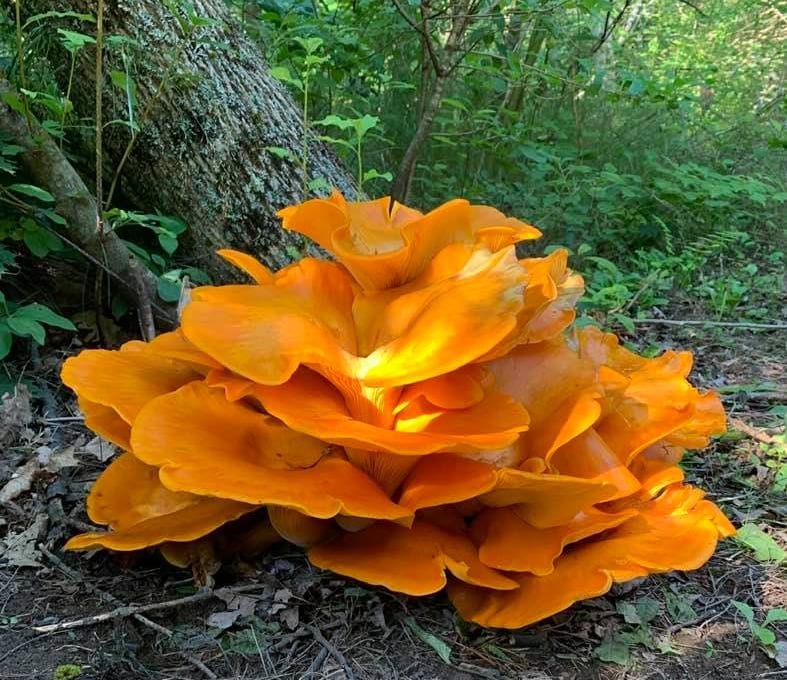
Jack-o’-lantern mushroom in Wolfville, N.S. (Submitted by Allison Walker)
The ongoing UN summit assesses progress on the 2022 Kunming-Montreal Global Biodiversity Framework, aiming to safeguard 30% of the world’s land and marine areas by 2030 and secure funding for biodiversity conservation.
Despite the agreement’s acknowledgment of the need to maintain the balance among humans, animals, plants, and ecosystems, fungi are notably absent.
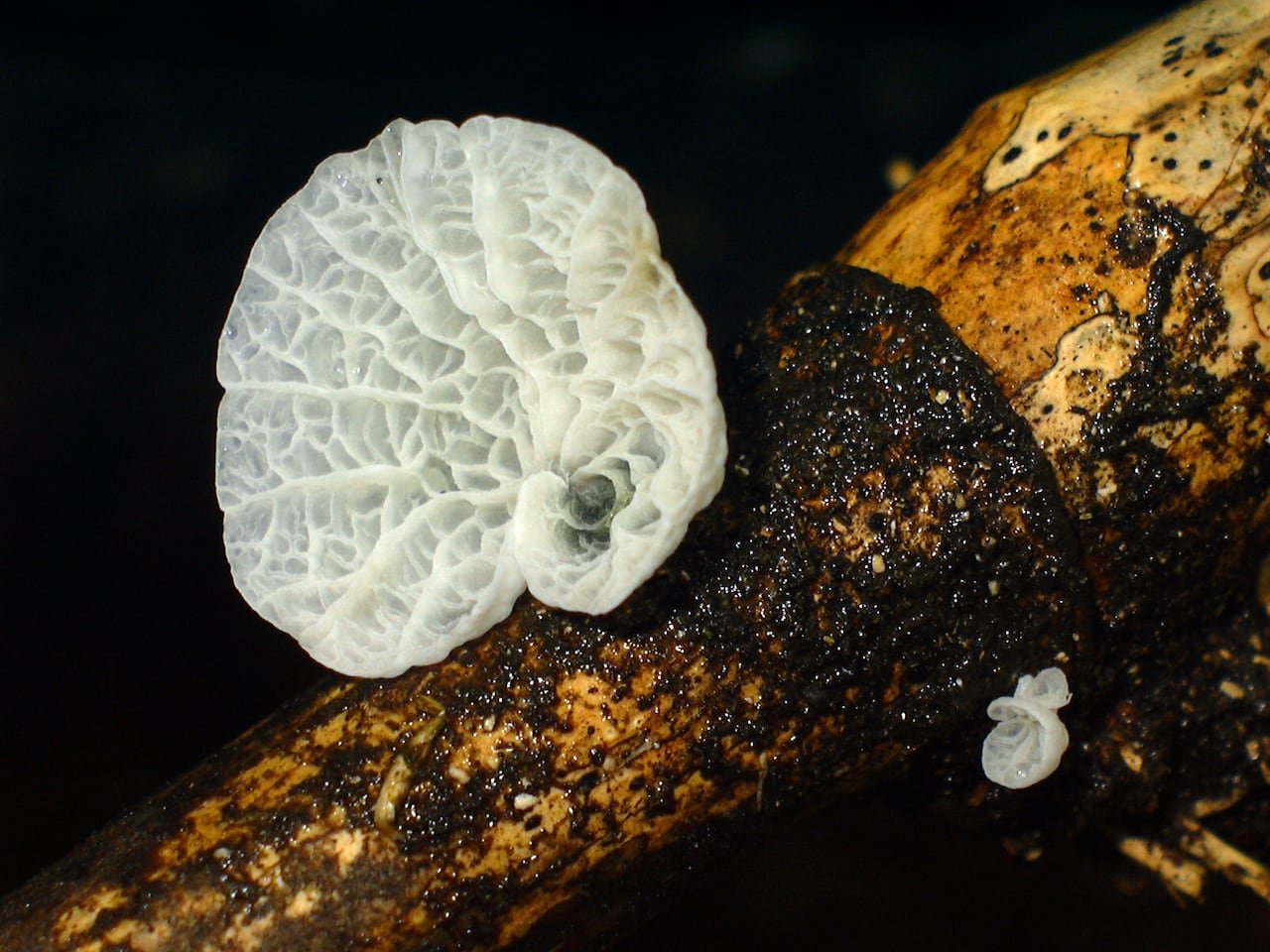
Tetrapyrgos alba. (Carolina Magnasco/Fungi Foundation)
Furci emphasized that excluding fungi from conversations about flora and fauna is outdated, as they were classified as a distinct kingdom in 1969 and are vital for the survival of numerous plant and animal species.
She stressed the essential role of fungi in environmental processes and addressing global challenges like climate change and biodiversity loss.
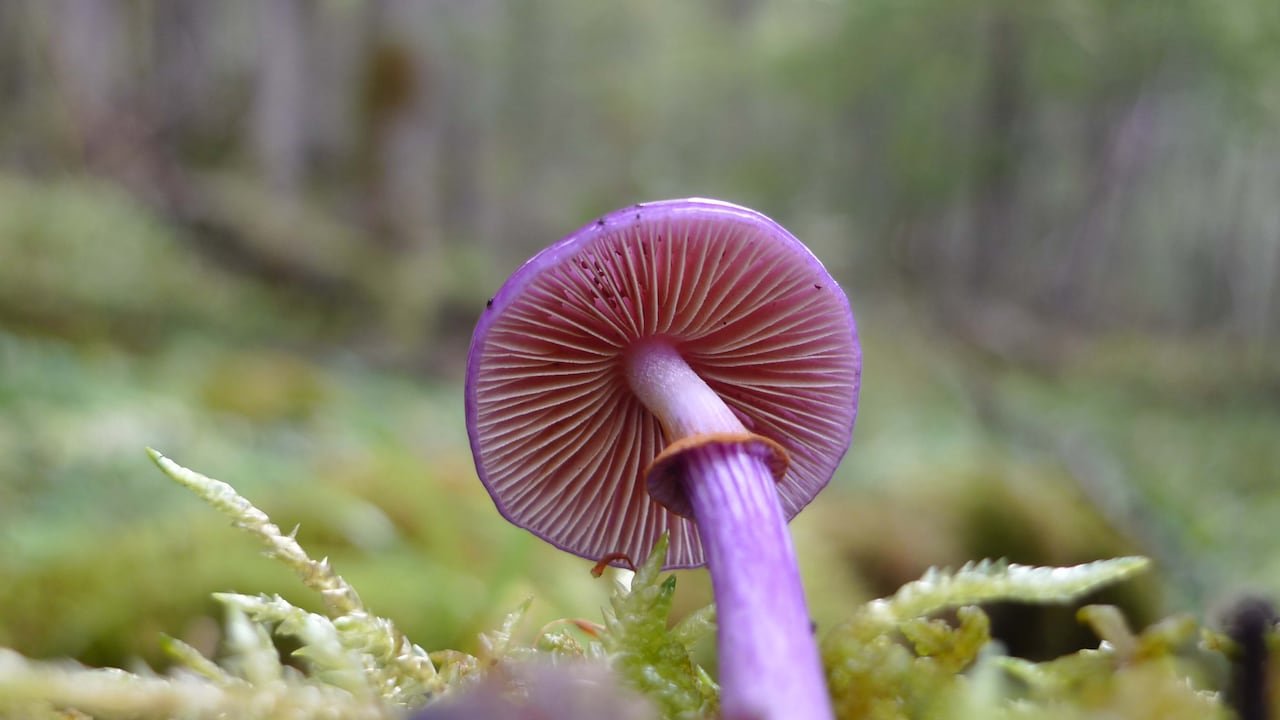
Cortinarius magellanicus, found in South America and New Zealand. (Giuliana Furci/Fungi Foundation)
<h2