

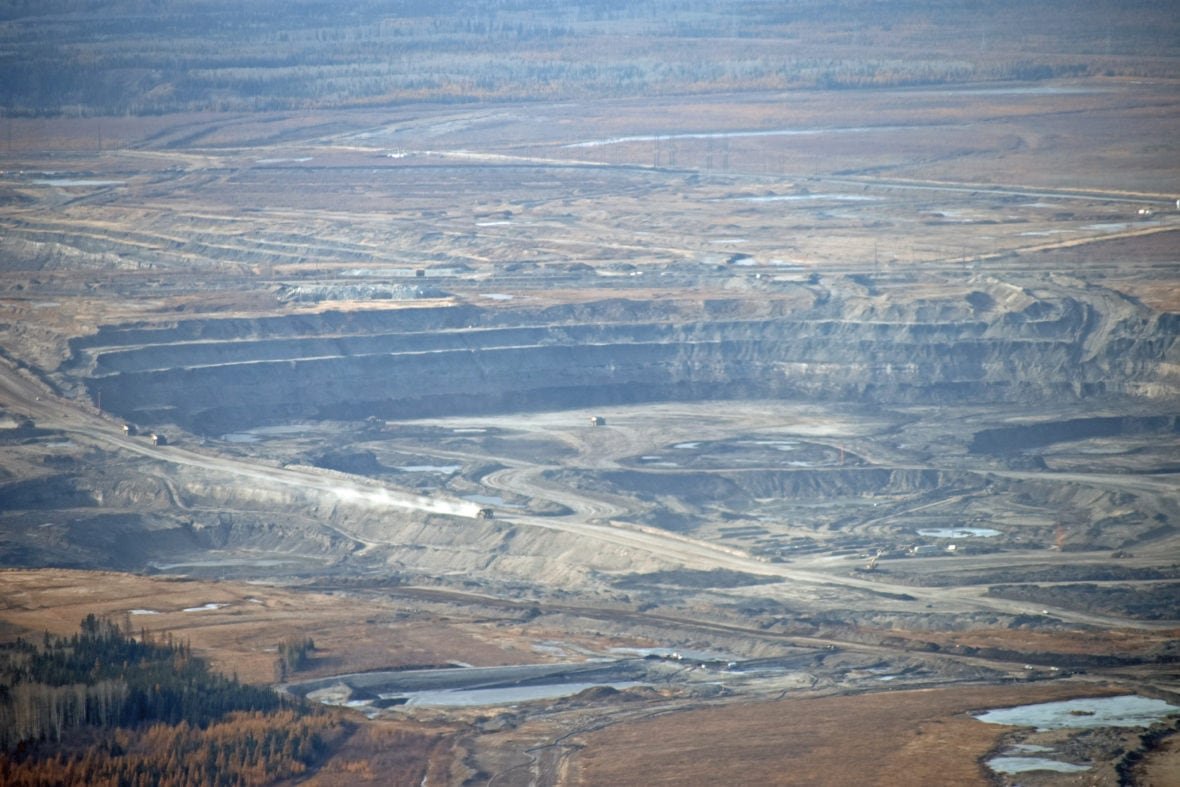
When Jean L’Hommecourt gazes out from her residence in Fort McKay towards the Athabasca River, she often sees a thick haze looming on the horizon. The sky takes on a dull brown hue as clouds of dust swirl in the air. The community, nestled in the heart of the oilsands industry about 55 kilometers north of Fort McMurray, Alberta, finds itself encircled by surface mines and industrial activities.
Describing the scene, L’Hommecourt, a former environmental manager for the Fort McKay First Nation and an experienced traditional land use researcher, expressed, “When you look north, the sky appears discolored. It’s coming from the mines, carried by the unrelenting wind.”
Recent peer-reviewed research featured in Atmospheric Pollution Research reveals that Fort McKay is grappling with significantly high levels of dust pollution, often surpassing regulatory standards for air quality. The study, led by University of Toronto PhD candidate Kristin Iorio and independent researchers in Alberta, highlights the community’s struggle with intense dustfall events driven by coarse particles that conventional monitoring fails to detect.
Iorio emphasized that a significant portion of the dust affecting Fort McKay originates from large particles disregarded by Alberta’s ambient air quality guidelines. She cautioned, “The unknown poses significant risks. Ignorance in this matter can be detrimental.”
The study’s findings indicate that Fort McKay experiences elevated monthly dustfall levels compared to neighboring communities in the Wood Buffalo region. Over a 24-month sampling period, monthly dustfall in Fort McKay exceeded Alberta Ambient Air Quality Guidelines on 17 occasions, surpassing acceptable limits nearly 20% of the time.
Dustfall Measurement Techniques and Analysis
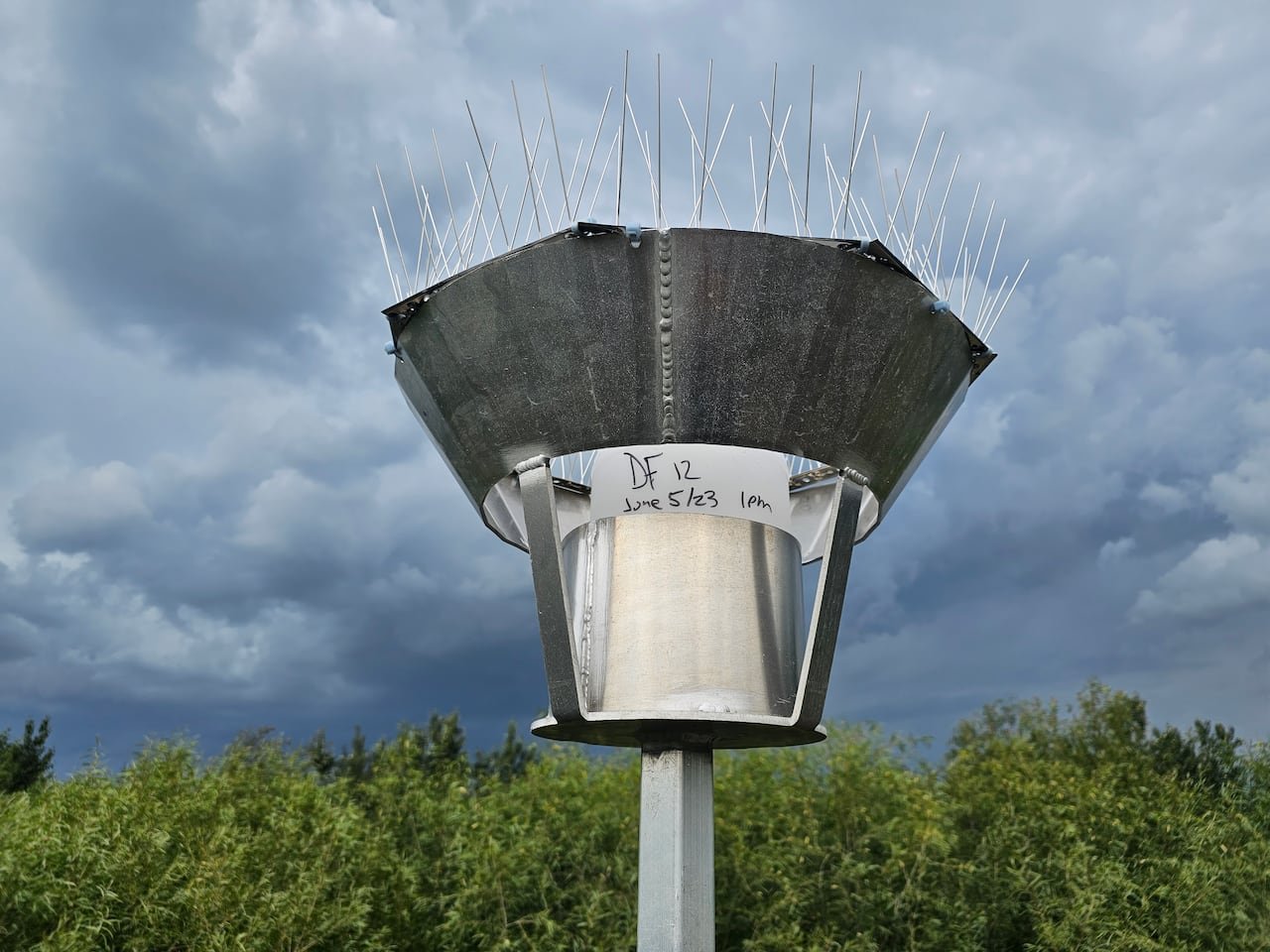
To assess the extent of dust exposure, researchers analyzed data collected from late 2022 to mid-2025 by the Wood Buffalo Environmental Association and the Fort McKay Sustainability Department. Data collection involved the use of open plastic buckets to capture falling dust particles, as well as ambient air quality tools such as optical air monitors and 24-hour Teflon filter samplers to monitor drifting particulate matter pollution.
Sampling was conducted across six communities including Fort McKay, Fort McMurray, Anzac, Janvier, and Conklin. Dustfall buckets were strategically placed in various locations within Fort McKay, including residential areas and the local industrial zone.
Fort McKay registered the highest dustfall volume among all monitored sites, doubling the levels observed in Conklin, located over 150 kilometers south of Fort McMurray.
Iorio stressed the importance of addressing communities disproportionately impacted by larger particles that evade current monitoring practices.
Regulatory Oversight Challenges
While Alberta regulates and monitors fine particulate matter pollution (PM2.5), particles smaller than 2.5 micrometers, it lacks specific regulations for larger particles exceeding 10 micrometers (PM10). These coarse particles, originating from industrial operations, construction activities, and mining sites, can remain in the upper respiratory tract, posing health risks.
Issues of coarse dust pollution stem from various sources in the oilsands region, including land development, haul road traffic, quarrying activities, and tailings ponds, exacerbated by expanding mining operations and changing climate conditions.
Iorio warned that the absence of regulations for larger particles creates a regulatory gap with limited oversight, potentially compromising public health.
The study’s