

This personal account is shared by Nicole Robichaud, a lawyer and caregiver residing in Ottawa. For more stories like this from CBC’s First Person series, check out the FAQ section.
Nearly three decades ago, a folk art calendar became a cherished tradition in my family, with its origins now lost to memory. Every Christmas, without fail, someone in our household presents my mom with the same calendar.
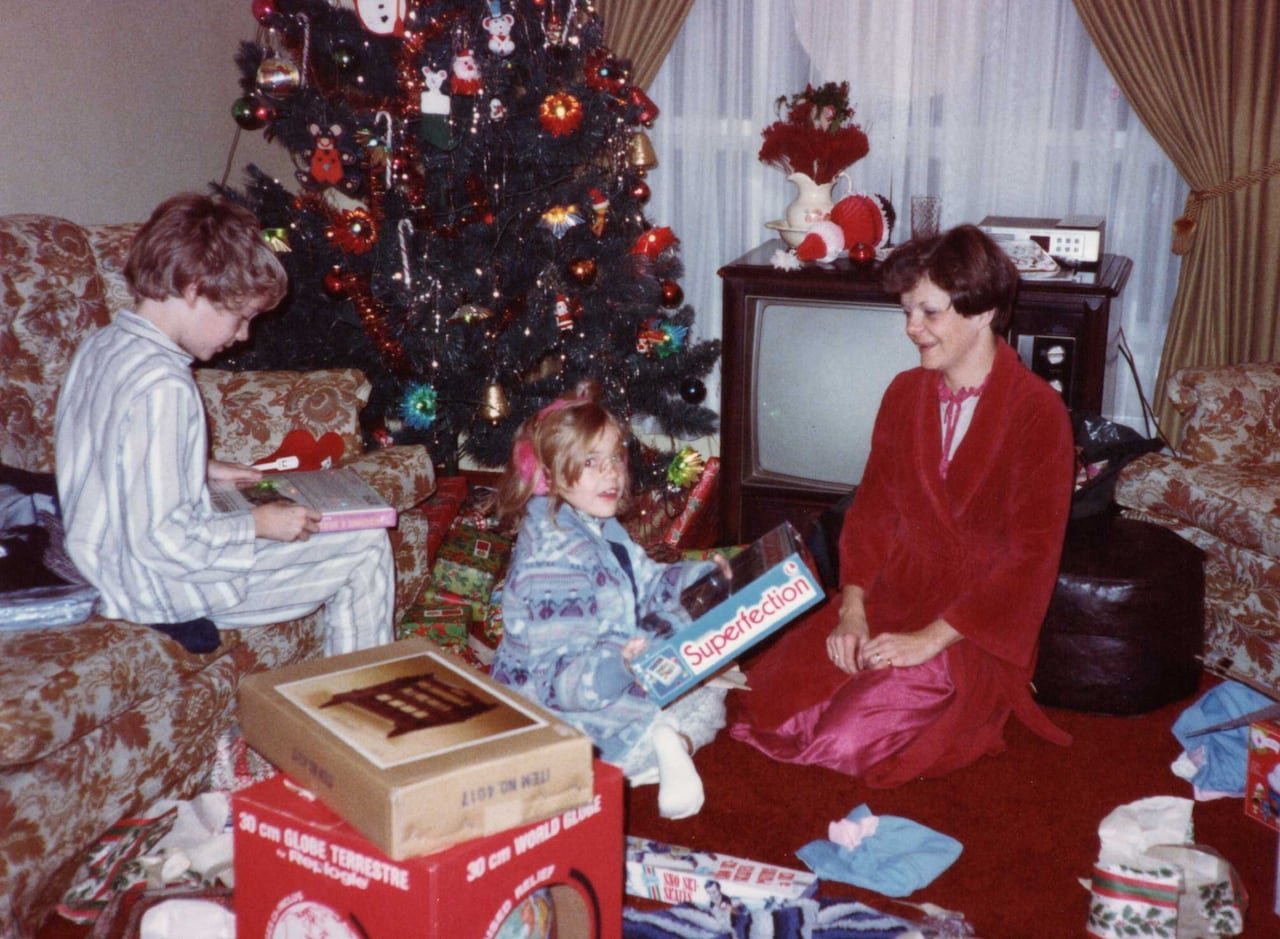
During my childhood in Toronto, the holiday season brought immense joy to my parents, brother, and me. Among the many gifts, the art calendar held a special place in my mom’s heart. I recall her taking time to appreciate each vibrant painting, with a particular fondness for the festive scenes of December.
In 2015, at the age of 68, my mom received a diagnosis of Alzheimer’s disease. Having previously supported her father through the same condition two decades earlier, she understood the challenges that lay ahead.
Despite initial frustrations with memory lapses, she remained optimistic and endeavored to maintain a cheerful demeanor.

The introduction of donanemab, a new Alzheimer’s drug, brings hope to individuals affected by the disease, although it comes with side effects and does not offer a cure. Dr. Roger Wong, a clinical professor of geriatric medicine, discusses the significance and risks associated with this development.
Over the years, her condition deteriorated, leading to a relocation to a retirement home in Ottawa close to me in 2017 after my father’s passing. Subsequently, she transitioned to the memory care unit. In 2021, confined to a wheelchair, she moved to a smaller living space.
Throughout these changes, the folk art calendar remained a constant presence.